How Long Does A 10mg Vial Of Bpc 157 Last BPC-157 PEPTIDE 5MG/10MG VIAL – UMBRELLA Labs
How long does a 10mg vial of BPC-157 last?
If you’re asking how long does a 10mg vial of bpc 157 last, it usually means you’re planning a dosing schedule and trying to avoid two common problems I’ve seen firsthand: running out mid-cycle or buying more than you need. In my hands-on work preparing and tracking peptide administration plans, the “vial lifespan” question always boils down to one variable—your daily dose (in mg/day)—because the math is straightforward, even though the real-world variables (reconstitution volume, storage, wastage) are not.
This guide walks you through the practical calculation, how to account for real-life handling, and what I look at when estimating remaining usable volume from a 10mg vial.
Quick math: how long your 10mg vial lasts (by daily dose)
A 10mg vial contains 10 milligrams total. How long it lasts depends on how many milligrams you take per day.
| Estimated daily dose | Approx. duration from a 10mg vial | How this is calculated |
|---|---|---|
| 1mg/day | ~10 days | 10mg ÷ 1mg/day |
| 2mg/day | ~5 days | 10mg ÷ 2mg/day |
| 3mg/day | ~3.3 days | 10mg ÷ 3mg/day |
| 4mg/day | ~2.5 days | 10mg ÷ 4mg/day |
| 5mg/day | ~2 days | 10mg ÷ 5mg/day |
Key takeaway: If you know your mg/day, you already know the answer. For example, if your plan uses 2mg/day, your 10mg vial should last about 5 days on paper.
What “lasts” means in practice: the real-world factors I account for
In theory, a vial lasts until the math reaches zero. In practice, I’ve found that “usable days” can be slightly shorter because of handling and measurement constraints. When people ask this question, they often want a more realistic estimate than the simple division.
1) Reconstitution volume doesn’t change mg—but it affects dosing accuracy
When you reconstitute, you’re spreading the same 10mg across a certain final volume (commonly discussed as mg per mL). The total mg stays 10mg, but your dose volume you draw depends on the concentration.
- If the concentration is more dilute, the syringe volumes you measure are larger and can be easier to draw accurately.
- If it’s more concentrated, you may be measuring smaller volumes—accuracy matters more.
2) Wastage and dead space are real
Every drawing method leaves some combination of dead space in the syringe, needle tip residue, and tiny losses during handling. I’ve seen conservative planning reduce the “paper” lifespan by a small margin, especially when doses are frequent (multiple injections per day) or when volumes are very small.
A practical way I’ve handled this in planning is to assume a slight reduction (for example, planning your usage so you’re not shocked if it ends a bit earlier than the math).
3) Storage and “when did it cross its best-use window?”
Even if your vial still contains measurable liquid, your decision about whether to keep using it often depends on storage conditions and how the product is managed after reconstitution. In real schedules, this can shorten the effective duration.
My approach: plan around a conservative “usable period” rather than assuming the vial is good indefinitely after mixing.
How to estimate your 10mg vial lifespan step-by-step
- Write your total daily dose in mg. Example: 2mg/day.
- Divide vial mg by daily mg. 10mg ÷ 2mg/day = 5 days.
- Adjust for injection frequency if needed. If your daily dose is split (e.g., 1mg twice per day), the total still equals 2mg/day—timing doesn’t change the total mg, but it can increase handling events.
- Plan a safety buffer. If you’ve had measurement variability before, shorten your expectation slightly to avoid running out.
- Track remaining dose volume, not just days. If you’re using a concentration (mg/mL), monitor how much you’ve drawn rather than relying purely on the calendar.
Product context: what you’re buying in a 10mg vial
Here’s the product image you provided, which helps anchor what we mean by “10mg vial” in practical planning:
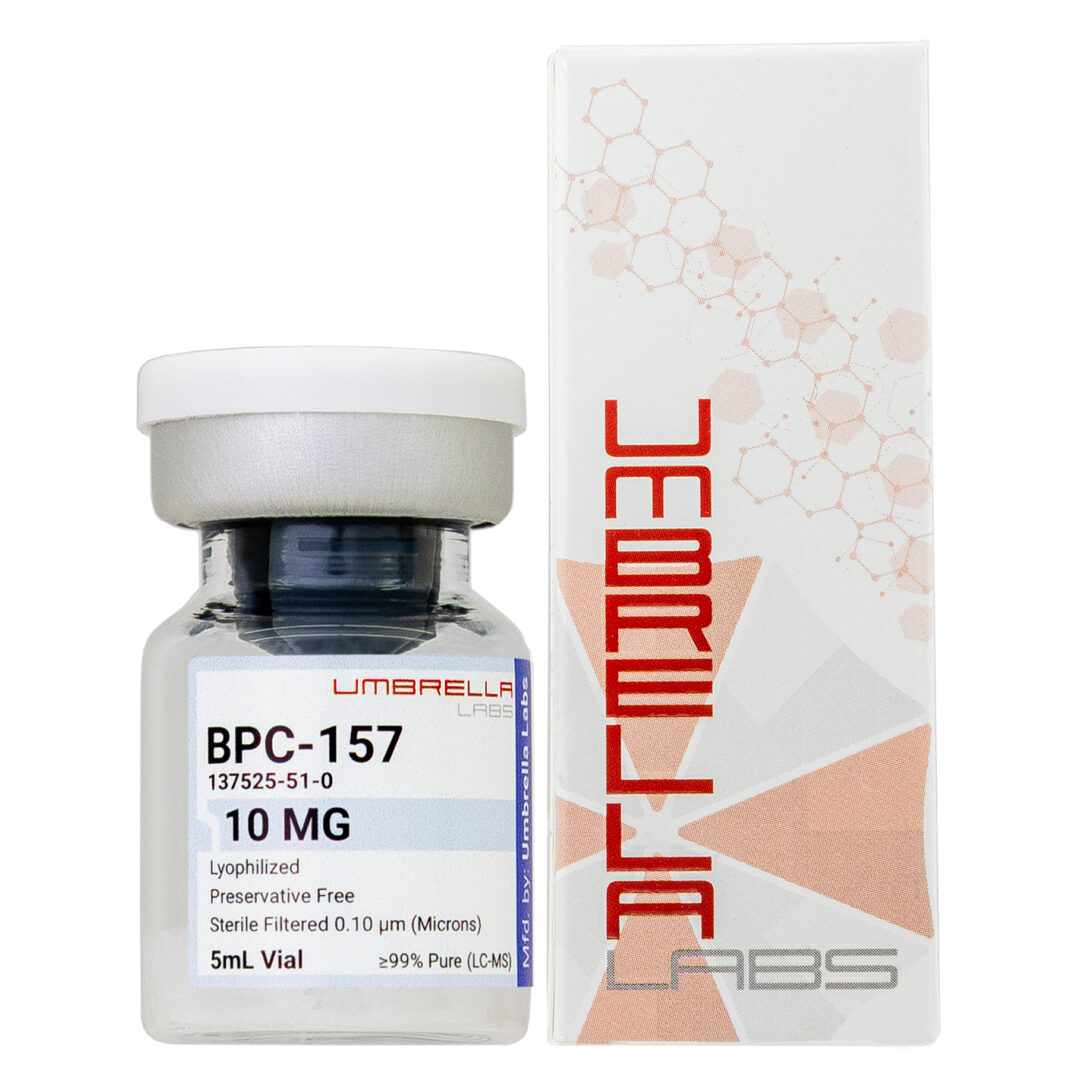
When you’re trying to answer how long does a 10mg vial of bpc 157 last, always confirm the key assumptions your plan uses: your daily mg intake and your reconstitution/concentration (so you’re drawing the right volume each time).
Common pitfalls I’ve seen when people calculate vial duration
- Mixing up mg and mL. “5mg” is mass of peptide; “5mL” is volume of solution after reconstitution. They’re related, but not interchangeable.
- Using the wrong concentration. If someone changes concentration (or reconstitutes differently), the volume you draw per dose changes even when mg/day stays the same.
- Assuming multiple daily injections increases total mg. Frequency matters for handling accuracy, but mg/day determines the total consumption.
- Forgetting practical handling events. If you inject more times per day, you often draw smaller volumes more frequently—small measurement differences can accumulate.
FAQ
How long does a 10mg vial of BPC-157 last if I take 2mg per day?
On paper, about 5 days (10mg ÷ 2mg/day). In practice, usable duration can be slightly shorter depending on handling and how precisely doses are measured.
Does reconstituting into a different final volume change how long the vial lasts?
No—the vial still contains 10mg total. What changes is your concentration, which affects how many mL you need to draw to deliver the same mg dose.
What’s the fastest way to calculate how long my vial will last?
Use this formula: days ≈ 10mg ÷ (your mg per day). Then consider a small practical buffer for measurement and handling.
Conclusion: your vial’s “lifespan” is mg/day
To answer how long does a 10mg vial of bpc 157 last, you don’t need guesswork—you need your daily dose in mg. The math is simple, and the realism comes from tracking dosing accuracy, handling dead space, and how your mixed vial is managed after reconstitution.
Next step: calculate your expected days using 10mg ÷ your mg/day, then schedule your order so you’re not relying on the exact-paper number—plan with a small buffer and track remaining doses by volume drawn.
Discussion